



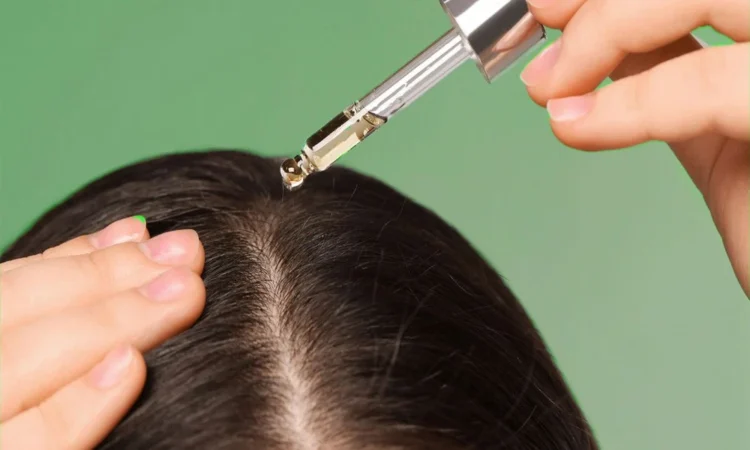
An itchy head rarely stems from dryness alone. Yeast, buildup, and stress can each provoke the urge. Scratching then tears the skin barrier further. Before long, irritation feeds on itself. Hair can shed faster from repeated friction. A well-built serum for itchy scalp breaks that loop from two directions. Cooling agents quiet nerve signals in minutes. Supportive actives repair tissue over the following weeks. That dual action separates targeted serums from plain moisturizers. Lasting relief means understanding receptor chemistry and ingredient labels. Application habits and medical warning signs matter too.
Menthol Tricks Nerves Into Feeling Cold
Skin contains a receptor called TRPM8. Normally, it responds when temperatures drop. Menthol binds to this same receptor without lowering heat. The brain registers coolness, and that signal overrides itch messages. Researchers call this sensory competition. Peppermint oil, menthyl lactate, and WS-3 work through identical pathways. Menthyl lactate tends to tingle less on sensitive skin.
Which Ingredients Treat the Underlying Cause?
Cooling alone only masks discomfort. Lasting change needs actives that address the trigger.
- Piroctone olamine suppresses the Malassezia yeast behind dandruff.
- Salicylic acid loosens stubborn flakes clinging to roots.
- Niacinamide strengthens the barrier and reduces redness.
- Panthenol draws moisture into parched, tight skin.
- Zinc pyrithione controls microbial growth near follicles.
Lightweight Texture Matters More Than Thick Oils
Heavy oils sit on the surface and trap sebum. For anyone with dandruff, that residue feeds yeast growth. A water-based serum for itchy scalp absorbs fast and leaves roots clean. Fast absorption also lets cooling actives reach nerve endings sooner. Coconut oil, by contrast, can worsen flaking for oily types.
How Should Cooling Serums Be Applied?
Technique decides whether actives reach the skin or the strands.
- Part hair into narrow sections.
- Apply drops directly onto exposed skin.
- Massage gently with fingertips, never nails.
- Leave the formula on overnight.
Nightly use suits most people at first. Twice weekly often maintains results once calm returns.
Hidden Irritants Can Cancel Out Serum Gains
Even a strong formula struggles against daily aggravators. Scalding showers strip lipids and leave skin raw. Sulfate-heavy shampoos cause similar damage in one wash. Fragrance blends and denatured alcohol rank among frequent sensitizers. Swapping a hot rinse for lukewarm water costs nothing. Pillowcases deserve attention too, since oils collect there each night.
When Does Persistent Itching Need Medical Attention?
Some conditions mimic dandruff but need prescription care. Psoriasis produces thick silvery plaques extending past the hairline. Ringworm causes round bald patches, especially in children. Seborrheic dermatitis flares may require medicated ketoconazole. Bleeding, oozing, or sudden hair loss also deserve evaluation. Without improvement after four weeks, a dermatologist visit makes sense.
Cool Relief Buys Time for Barrier Repair
That cold tingle from TRPM8 is not the cure. Its real job is stopping fingernails for a few weeks. Every skipped scratch lets niacinamide and panthenol rebuild undisturbed. Seen this way, cooling acts like a cast on bone. Bone heals itself once protected from repeated strain. Skin follows the same logic.
FAQs
Can a cooling serum be used on color-treated hair?
Menthol-based formulas pose little risk to most dyes. Sulfate-free, low-alcohol options protect color longest. Patch testing after bleaching remains a sensible precaution.
Does the tingling sensation mean the skin is irritated?
A brief, mild chill is expected and harmless. Burning or redness lasting ten minutes signals sensitivity. Rinse with cool water if that happens.
Are itch-relief serums safe for children?
Menthol and peppermint oil can overwhelm thin, young skin. Pediatrician approval matters for anyone under twelve. Fragrance-free, menthol-free formulas suit younger users better.
How quickly do results show up?
Cooling relief arrives in a few minutes. Flaking and redness fade over two to four weeks. Consistency matters more than heavy application.

